……………………………………………………..

……………………………………………………..

( Snehalata with Pattabhirama Reddy upon her release on bail. Credit: Special Arrangement )
……………………………………………………
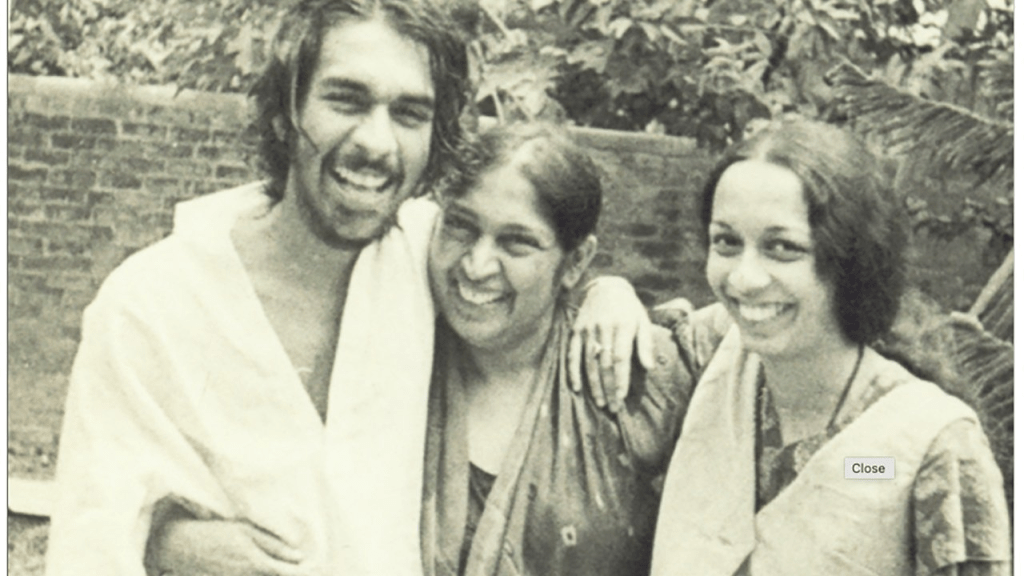
( Konarak and Nandana Reddy with Snehalata upon her release on bail. Credit: Special Arrangement )
…………………………………………………………
படிக்கக் கிடைத்த ஒரு பரிதாபம் …..
எமெர்ஜென்சியால் எதிர்க்கட்சித் தலைவர்கள் பாதிக்கப்பட்ட
கதைகள் எல்லாம் நிறைய கேட்டிருக்கிறோம்…படித்திருக்கிறோம்.
தலைவர்களைப் பொருத்தவரையில், அவர்கள் சிறையில்
தள்ளப்பட்டார்கள்… அவர்களது தனி நபர் சுதந்திரம்
பாதிக்கப்பட்டது – அவ்வளவே….
தலைவர்கள் யாரும் உடல்ரீதியாக துன்புறுத்தப்படவில்லை…
சிதைக்கப்படவில்லை..
அவர்களது குடும்பங்கள் தொடப்படவில்லை.
ஆனால், கீழ்மட்டத்தில் இருந்த –
லட்சக்கணக்கான மக்கள் –
அரசுக்கு விரோதமாக கருத்து சொன்னவர்கள்,
சமூகவெளியில் அரசுக்கெதிராக விமரிசனம் செய்ததைத்தவிர
வேறு எந்த குற்றத்தையும் செய்யாதவர்கள் பலர் பட்ட துயரங்களும் –
அவர்களது குடும்பத்தினர்களுக்கு இழைக்கப்பட்ட கொடுமைகளும் –
பற்றி எல்லாம் எத்தனை கதைகள் வெளிவந்திருக்கின்றன….?
அவை குறித்து, எத்தனை பேருக்கு தெரியும்….?
48 ஆண்டுகளுக்கு பிறகும் கூட,
அந்த துன்பங்களின் வடு ஆறாமல்,
தாங்கள் பட்ட இன்னல்களை நினைத்து குமுறும்
ஒரு குடும்பத்தின் எஞ்சியிருக்கும் மகளும், மகனும் – இங்கே
தங்கள் அனுபவங்களை, உணர்வுகளை பகிர்ந்து கொள்கிறார்கள்….
டெக்கான் ஹெரால்டு ஆங்கில நாளிதழில் வெளிவந்திருக்கும்
ஒரு கட்டுரையை அப்படியே கீழே தந்திருக்கிறேன்.
எமெர்ஜென்சியில் அவர்கள் பட்ட அவஸ்தைகள், தற்போது
அவர்களது சிந்தனைகளை எங்கெல்லாம் கொண்டு செல்கின்றன
என்பதை அவர்களது இந்த கட்டுரை வெளிப்படுத்துகிறது…..
…………………
https://www.deccanherald.com/opinion/panorama/emergency-then-emergency-now-1232188.html
………………………………………..
by – Nandana Reddy, Konarak Reddy,
…………………….
Living in a ‘Modified’ world and thinking back
48 years to the state of Emergency imposed by I
ndira Gandhi in 1976, my mind goes into a tailspin.
Memories of that dark past still haunt those of us
who lived through it. Indira Gandhi declared
a national Emergency, suspending civil liberties
and imposing censorship on the media in a desperate attempt to cling to power.
Protests, and any form of dissent or resistance,
were countered by vicious crackdowns. My family
was one of the victims of the Emergency.
“Past midnight, a loud banging on the door of 20-B.
I am alone at home. About 10 plainclothes Core of Detectives (COD) officers and policemen barge in.
They ransack the shelves, pull the telephone cord
out, and throw things about. I feel it is a
copy-paste of what they have seen in American
movies. I am in my pyjamas. They ask where my
parents are, I say they have gone to a wedding
in Madras.
They force me outside, there are three jeeps
waiting and they put me in one of them. I overhear
them on their walkie-talkies. They have also
picked up Lawrence Fernandes from his house
in Richmond Town.”
My parents were Socialists, greatly influenced
by Ram Manohar Lohia. Our home, popularly known
as 20B, at the end of a cul-de-sac off St Marks Road,
was an open house…literally open. We never locked
the front door…! Artists, musicians, writers, photographers, politicians of all hues –
far left to far right – and anyone needing refuge,
a cup of tea or a hot meal – were welcome.
It was June 25, 1975. The last day of filming
Chanda Marutha (Wild Wind), a film my parents were
making based on P Lankesh’s play Kranti Bantu
Kranti that prophesied the Emergency. There was a
feeling of relief as the shooting was completed,
but also an inexplicable sense of unease.
By noon, the news that Indira had imposed Emergency
had spread. We received some surreptitious phone
calls and were asked to listen to BBC radio
as they were the only media broadcasting this news.
“I was taken to the CoD building, Carlton House,
in my pyjamas and taken into an interrogation room.
Five or so CoD officers sat in front of me, held a
bright light on my face, and questioned me.
‘What do you know about the underground…?’
I was just back from a beautiful trip to the
Himalayas with my friend. So, I replied,
‘I love the underground.’
They seemed visibly excited by this answer and
asked me to elaborate. I said, ‘The underground is perfect! Why don’t we take all the crowded streets
of the city and place them underground and then
have parks and places of rest overground’.
I was questioned many times, with a good cop-bad cop attitude. In-between my repeated interrogation,
I could hear Lawrence screaming in the other room
as they started beating him up. Finally, they
allowed me to sleep in a locked room, with the
Carlton House gardener for company. He gave me
a smoke and related stories of how the garden staff
would dig up the bodies of women with long hair
and sell the hair to the CoD officer’s wives…!
The next day, I was taken to the High Grounds
police station and locked up. They removed the
nada from my pyjamas, saying it was an alleged
suicide risk.
They also tortured a young man for loitering in
Cubbon Park and beat him up with a ‘laati’ as his
mother watched.
When the sub-inspector arrived, to prove his
lofty position, he beat him up even harder,
till he lost control of the ‘laati’ and it
ricocheted off the station walls.”
The Emergency is still a recurring nightmare
that haunts us. We lost our mother Snehalatha Reddy,
an innocent victim, among the thousands of others
who were tortured and killed for opposing this
draconian proclamation.
Unfortunately, there is no balm to heal these wounds,
and now there is no climate for healing. The
environment is toxic, permeated with fear and self-righteous arrogance. We have lost the appetite to
resist and are tired of shadowboxing on numerous
fronts.
Indira Gandhi’s Emergency had a face, and the enemy
was visible and tangible. But the ‘Modification’
of India is a more sophisticated strategy,
surreptitious and Machiavellian.
This is a repeat performance. Only the cast is
different. Our allies then, the Bharatiya Jana Sangh,
who fought against the Emergency, are now, in their
new avatar, the main characters in the play, and
they have learned their lessons well from the
prime architect of 1976. And the Congress party,
led by Indira’s grandchildren today, are the ones enunciating much-needed democratic slogans
such as, Nafrat ke bazaar mein, Mohabbat ki
dukaan khol raha hoon.
There has been a steady rise in fundamentalism
and divisive politics. A new population of thugs,
cutting across all class barriers, infused with the saffron hue, have sprung up in the past few years. Ignorant while apparently ‘educated’, arrogant, egotistic, brash and aggressive, they strut around,
newly empowered and liberated by their idol Modi.
“My mother was in Bangalore Central Jail now.
We were allowed half hour visits once a week.
She was locked up in the women’s prison along with criminals, including murderers and thieves.
There was no segregation in the women’s ward,
unlike for the male prisoners. When she had a
severe asthma attack, she had to inform the
female warden, who was locked in with the women prisoners. The warden had to ring a bell.
The guard from the front gate of the prison
had to come and open the door, understand the
problem, and call a doctor. This usually took
hours. So, my mother blacked out many times.
Fearing her death in prison and my father’s
outrage, they allowed her to give herself
adrenaline injections, which was quite contrary
to my pyjama-nada experience in the lock-up.”
India lacks basic infrastructure, food, shelter, education, livelihood, and healthcare.
The Covid pandemic brought this into stark relief
and battered what was an already wounded economy.
This pandemic, unpredictable and devastating
as it was, was an asset for Modi’s agenda. Social distancing, long periods of isolation, the dread of contagion, a general sense of fear and anxiety,
suspicion of other human beings, including
close family and friends, assisted the
‘divide and rule’ Hindutva agenda. The two years
of Covid have taken the wind out of our sails.
With no possibility to protest, and facing a bigger threat, our appetite for democracy and freedom
abated and all we wanted was ‘to survive’
at any cost.
Something in our psyche has changed. Passivity,
apathy, submissiveness and compliance has replaced
our motivation for militancy and dissent.
During the Assembly elections in Karnataka, Modi’s campaign included a drive past my home on New
Tippasandra Road. His ‘parade’ was scheduled for
Sunday morning, but we were barricaded inside
our homes from Friday evening itself. Shops were
ordered to close, hawkers and vendors driven away,
trees chopped down, and electrical lines cut
because they were hanging lower than the required clearance of 20 feet for his convoy.
Young BJP workers scaled my compound wall without
permission, climbed my tree, and invaded my compound.
The whole street was saffron-ised. Saffron buntings, flags, posters, and placards. On Sunday morning,
van loads of people were ferried in and given caps, shawls, and flower petals. Modi’s drive-past lasted
less than 10 seconds. Surrounded by Black Cats
carrying AK 47s at the ready, the paramilitary,
several hundreds of policemen, police vans and ambulances. He stood inside his bullet-proof casing, grumpy, expressionless, waving like a marionette.
For the first time in 70 years, I felt fear and considered locking my gate and front door, but
resisted the temptation.
“Because of an angry showdown I had with the
assistant supervisor of jails, Mr Chablani, about
them delivering food to my mother on time,
he suspended our visits and did not give her the
food we delivered for a month. He also told my
mother that the family had lost interest in her.
This was a lie, and I hope his karma takes care
of that.
My mother was scared that the Emergency would get
worse, and that they would target me. So, she
wanted me to go to Boston and study music at the
Berklee College of Music. This was her wish, and
also my deep regret, that I did not stay back
and try to save her.
I remember the last time I saw my mother. She was
in a terrible state but put up a brave front for
my sake. I was speechless, confused, and just sat
there with her, knowing I was leaving. The
one thing I am happy about is that I touched her
feet before I left…That was the last time
I saw my mother.”
Priyanka Gandhi took the same route a week before.
There were no Black Cats, no fanfare, no barricades. Traffic was disrupted for just 45 minutes when
she stood on top of her van and made her speech.
One wonders – Why is Modi so afraid, and
Priyanka, not? What a flip around! The roles are reversed. The chaiwallah does not drink chai in a
wayside tea stall, but Priyanka and Rahul Gandhi –
high pedigree, foreign educated — do.
“So many years later, I feel that now, the only
person who speaks my language is the grandson
of the person who was the sole reason for my
mother’s death. So, what is this world….?!
Millions of atoms running from force field to
force field? Does energy, both good and evil,
move from side to side or is it just like the
rise and fall of waves?”
Is India going to submit to dictatorship or fight
to save democracy…? Will constitutionality
triumph, or will we continue to bow our heads and
allow Modi to redefine India and us..?
(Nandana and Konarak Reddy are the daughter and
son of the late artist/activist couple Snehalata and Pattabhirama Reddy. Snehalata Reddy was arrested
during the Emergency on May 2, 1976, in the Baroda Dynamite Case, involving George Fernandes,
held as an accused merely because of her friendship
with him. She was not named in the final
charge-sheet in the case and was released on
January 15, 1977, as her health deteriorated.
Five days later, she died, aged 51. Nandana
was 23 and Konarak 20 in 1975. Nandana is the
founder of Concerned for Working Children (CWC),
an NGO that was nominated for the Nobel Peace Prize
in 2012; Konarak is an internationally renowned
guitarist who briefly attended Berklee College of
Music.
Pattabhirama Reddy died in May 2006, aged 86.
In the above presentation, the part highlighted
in blue is Konarak Reddy’s narration of his
experience in detention).
.
……………………………………………………………………………………….…


 வி ம ரி ச ன ம் - காவிரிமைந்தன்
உங்களாலான காரியம்... சாக்கடையிலும், டாய்லெட் டேங்கரிலும் பாறாங்கற்களை எரியத் துவங்கியிருக்கிறீர்கள், ஏதேனும் விலையுயர்ந்த கற்கள், வாசனைப் பொருட்கள் கிடைக்குமா என்று. சாக்கடையிலும் பீக்கடையிலும் என்ன கிடைக்கும்? கருணாநிதியின்…