
……………………………………………..
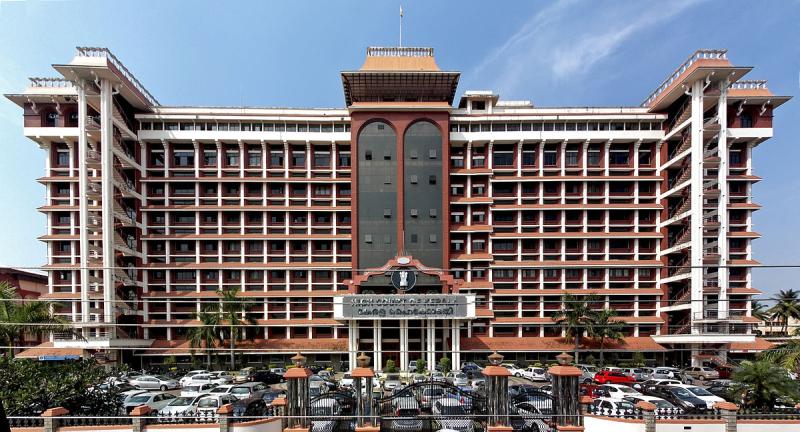
………………………………………………
இந்த மாதிரி ஒரு வழக்கை ஏன் இன்னும் எவரும் தொடுக்கவில்லை
என்று பல மாதங்களாகவே நான் யோசித்து வந்தேன்…..
மத்திய அரசு தொடர்ந்து அத்தனை திட்டங்களுக்கும், சட்டங்களுக்கும் நமக்கு சுத்தமாக புரியாத வகையிலேயே பெயர் வைத்துக் கொண்டிருந்தபோதே, நான் அரசியல் சட்டம் இது குறித்து என்ன சொல்கிறது என்று தேடிப்பார்த்திருந்தேன். அப்போதிலிருந்தே, ஏன் எல்லாருமே ஒத்தூதிக் கொண்டிருக்கிறார்கள் என்று வியந்தேன்.
மத்திய அரசின் சட்டங்களுக்கு, இந்தியில் தலைப்பு வைப்பது
அரசியல் சட்ட விரோதம்… அரசியல் சட்ட விதிகள் 348 மற்றும் அதன்
துணை விதிகளினபடி, மத்திய அரசு எத்தகைய சட்டங்களை
இயற்றினாலும், அவற்றின் தலைப்பு ஆங்கிலத்தில் தான் இருக்க
வேண்டும்… மேலும் இந்தியில் இயற்றப்படும் சட்டங்கள் உடனுக்குடனாக
ஆங்கிலத்தில் மொழி பெயர்க்கப்பட்டு, கூடவே, அரசிதழில்
வெளியிடப்பட வேண்டும்.
(மாநில அரசுகளுக்கு இதிலிருந்து விதி விலக்கு உண்டு….
அந்தந்த மாநில ஆட்சி மொழிகளில் தலைப்புகளை வைத்துக் கொள்ளலாம்.
சட்டங்களையும் இயற்றலாம்…. ஆனால், இவற்றிற்கும், உடனுக்குடனான
ஆங்கில மொழிபெயர்ப்பு, அதிகாரபூர்வமாக, அரசிதழில் வெளியிடப்பட
வேண்டும்…)
- இனி, வழக்கு பற்றிய செய்தி கீழே –
……………………………………………………………………………………….
‘Linguistic Imperialism’:
PIL in Kerala HC Over Hindi, Sanskrit Titles to
Central Legislation –
May 29, 2024 –
The petitioner, a lawyer, urged the court to issue
directions to the Union government to provide English
titles to –
Bharatiya Nagarik Suraksha Sanhita 2023,
Bharatiya Nyaya Sanhita 2023, and
Bharatiya Sakshya Adhiniyam 2023.
……………..
New Delhi: A public interest litigation (PIL) has been
filed in the Kerala high court arguing that parliament
has no authority to name legislation in any other
language except English.
The petitioner, a lawyer, urged the court to issue
directions to the Union government to provide
English titles to the Bharatiya Nagarik Suraksha
Sanhita 2023, Bharatiya Nyaya Sanhita 2023, and
Bharatiya Sakshya Adhiniyam 2023, which recently
replaced the Code of Criminal Procedure,
the Indian Penal Code, and the Indian Evidence Act, respectively.
Petitioner P.V. Jeevesh said the use of Hindi and
Sanskrit titles to important legislation is
“ultra vires”, according to the scheme of the
constitution.
He said such nomenclature proves disadvantageous to
the legal fraternity in south India, where people are
not conversant with Hindi and Sanskrit.
“The nomenclature in Hindi and Sanskrit for these
legislations would create confusion, ambiguity, and
difficulty for the legal community of non-Hindi and
non-Sanskrit speakers, especially those belonging
to the southern part of the nation,”
PTI quoted him as saying.
He also went on to add, “Moreover, the names provided
in the aforesaid languages are hard to pronounce
for non-Hindi and non-Sanskrit speakers. Therefore,
it violates the fundamental right under Article 19
(freedom of speech and expression) of the constitution.”
He also pointed out that such naming goes against
Article 348 of the constitution, which deals with
language to be used in the Supreme Court, high courts,
and for Acts, Bills, etc.
He underlined that Article 348(1)(b) mandates that –
all Bills introduced in the legislative bodies and
the Acts passed by them be in English.
“Therefore, the action of the respondents 1 to 4
(Centre and Union Law Ministry) is a classic example
of linguistic imperialism. The actions of the
respondents 1 to 4 are autocratic, capricious,
unjustified and arbitrary, and antithetical to the
democratic values and the principles of federalism,”
he noted in his plea.
……………….
……………………………………………………………………………………………………………….………


 வி ம ரி ச ன ம் - காவிரிமைந்தன்
உங்களாலான காரியம்... சாக்கடையிலும், டாய்லெட் டேங்கரிலும் பாறாங்கற்களை எரியத் துவங்கியிருக்கிறீர்கள், ஏதேனும் விலையுயர்ந்த கற்கள், வாசனைப் பொருட்கள் கிடைக்குமா என்று. சாக்கடையிலும் பீக்கடையிலும் என்ன கிடைக்கும்? கருணாநிதியின்…